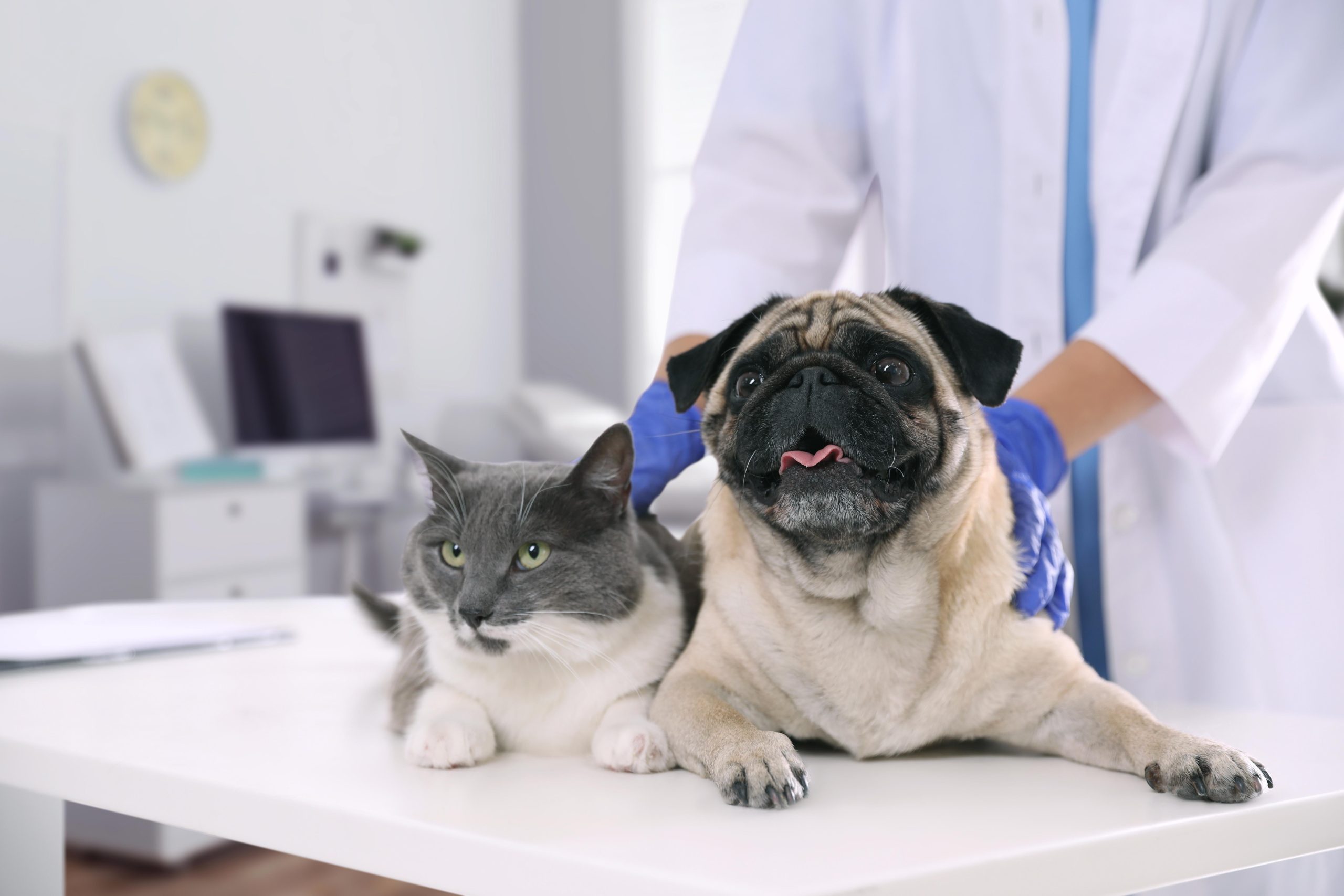
Anyone who shares their life with a pet knows that animals rarely complain. A dog will keep wagging his tail even in pain, and a cat will quietly retreat when something isn’t right. That is precisely why it falls to us, as owners, to learn to observe and interpret the small day-to-day changes — because, in most cases, early diagnosis makes all the difference between a straightforward treatment and a serious illness.
In this article, we share the clinical signs that always deserve the attention of a veterinary surgeon.
Why early detection matters so much
Companion animals have a faster metabolism than ours, which means illnesses progress more quickly. A symptom that seems minor can, within just a few days, turn into an emergency. What is more, species such as the cat have a natural instinct to mask discomfort — a legacy of their wild ancestors, who concealed any sign of weakness to avoid becoming prey.
Recognising the warning signs allows you to act in time, reduce suffering and, very often, avoid invasive treatments.
The main warning signs
1. Changes in appetite and water intake
An animal that stops eating for more than 24 hours, or that suddenly drinks far more water than usual, is trying to tell you something. Polydipsia (excessive thirst) is a classic symptom of conditions such as diabetes, kidney failure or hormonal disorders.
2. Persistent vomiting and diarrhoea
A one-off episode may simply be the result of dietary indiscretion. However, if vomiting or diarrhoea persists for more than 24 hours, contains blood or is accompanied by lethargy, urgent veterinary attention is required. Dehydration sets in quickly, particularly in small or young animals.
3. Lethargy and loss of energy
If your dog or cat has stopped wanting to play, sleeps more than usual or seems uninterested in favourite activities, do not dismiss it. Apathy is one of the most common — and most underestimated — signs of underlying illness.
4. Breathing difficulties
Heavy panting at rest, persistent coughing, noisy breathing or open-mouth breathing (which is always abnormal in cats) are signs that require immediate assessment. They may indicate cardiac, respiratory or severe allergic conditions.
5. Changes in urine and stools
- Straining to urinate without producing urine (especially in male cats) is a veterinary emergency.
- Blood in the urine, very frequent urination or accidents in unusual places.
- Very dark stools, or stools containing blood or mucus.
6. Visible changes in coat and skin
Localised hair loss, intense pruritus (constant scratching), wounds that fail to heal, abundant dandruff or new lumps always warrant a dermatology consultation.
7. Behavioural changes
Sudden irritability, withdrawal, loss of interest in the family or repetitive behaviours (pacing in circles, hiding in unusual places) may be linked to pain, neurological conditions or cognitive decline, especially in senior pets.
8. Unexplained weight loss or gain
Weight changes of more than 10% in a short period of time always warrant clinical investigation, even if the animal otherwise appears well.
When to seek urgent care
Seek veterinary assistance immediately if you notice:
- Marked breathing difficulty or pale/bluish gums.
- Seizures or loss of consciousness.
- A very distended, tense abdomen.
- Trauma (road accident, fall, bite wound).
- Ingestion of toxic substances (chocolate, grapes, plants, human medicines).
- No urination for more than 12 hours.
Conclusion
Your pet’s best vet is an attentive owner. Knowing your dog or cat’s normal behaviour is the first line of defence against illness. When something feels “off”, trust your instinct.
At Clivet Gaia, we approach every case with the time and empathy it deserves. If you have noticed any of these signs in your pet, book a consultation now via WhatsApp — early detection can save a life.